
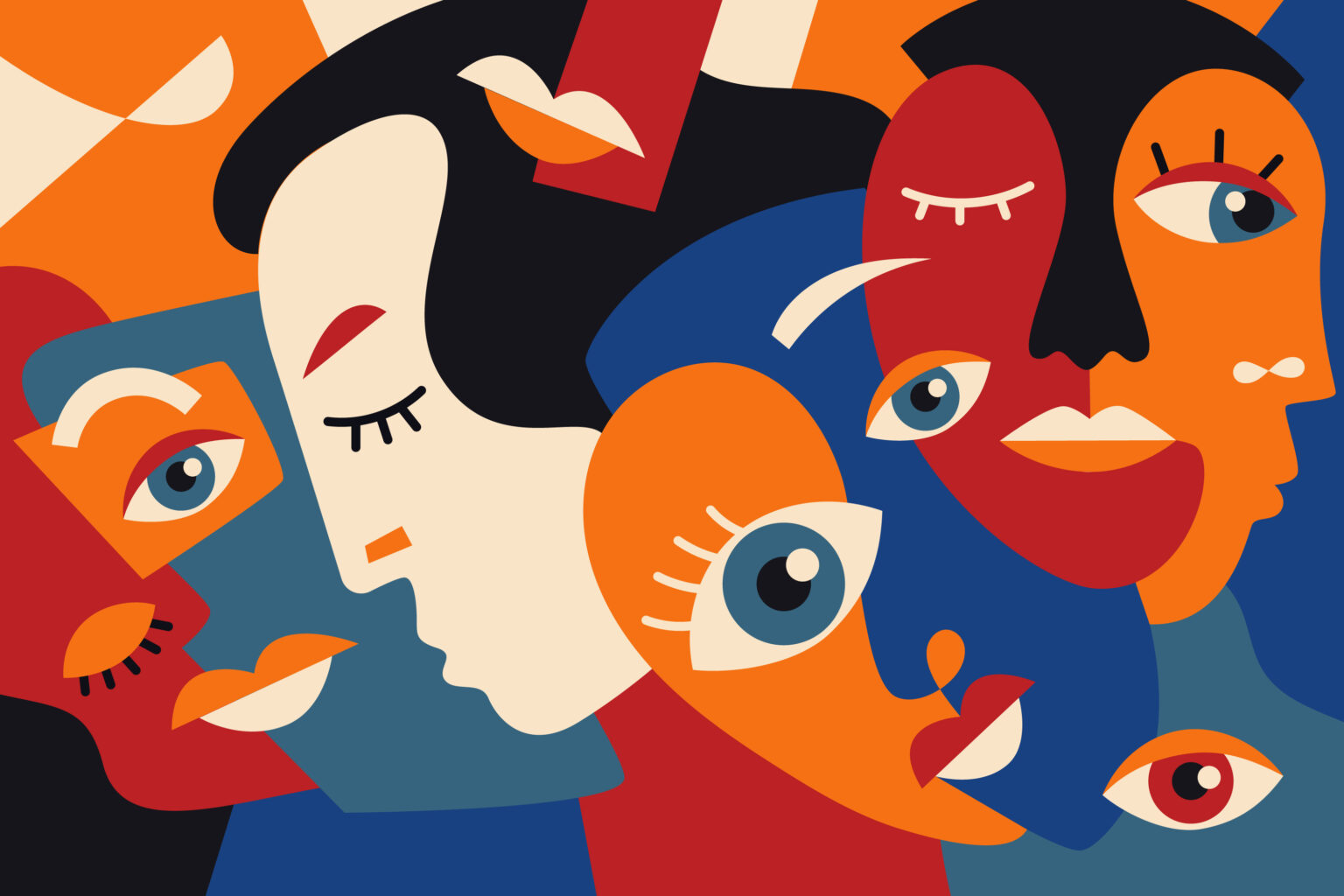
Art has always been a way for humans to express what words cannot. Some art speaks to the eyes, while other forms seem to touch sound, taste, smell, and emotion all at once. This is especially true when exploring abstract art and synesthesia, where expression goes beyond visual form and enters the world of sensory experience. Abstract expression allows artists to translate feelings, sounds, and sensations into color, texture, and movement, creating a deeper emotional connection with the viewer.
Abstract expression does not ask viewers to find a correct meaning. Instead, it encourages them to notice how the artwork makes them feel. This emotional and sensory approach makes abstract art powerful, personal, and timeless. It allows both artists and viewers to step away from logic and move closer to intuition.
Understanding Synesthesia and Sensory Experience
Synesthesia is a condition where one sense naturally triggers another. Some people may see colors when they hear music, while others may associate numbers with textures or emotions. Even though not everyone experiences synesthesia directly, many people relate to sensory blending in everyday life. We often describe sounds as sharp, colors as warm, or emotions as heavy.
Discussions around art and sensory perception, Femest Magazine, highlight how creativity naturally connects different senses. Abstract expression taps into this connection by allowing artists to communicate feelings that are difficult to express with words. This is why abstract art can feel familiar or emotional, even when it does not represent anything specific.
Abstract Expression as a Language of Feeling
Abstract expression is not about realism. It is about communication through sensation. Artists use color, texture, scale, and movement to express emotions, memories, and inner experiences. Instead of showing a clear scene, they show a feeling.
A bold color may express energy or intensity. Soft tones may create calm or reflection. Rough textures may feel chaotic, while smooth surfaces can feel peaceful. These choices turn abstract art into a sensory language that speaks directly to the viewer’s emotions.
This approach allows every person to have a unique experience with the same artwork. What feels joyful to one person may feel overwhelming to another, and both reactions are valid.
Engaging the Five Senses Through Art
Although art is mainly visual, abstract expression often engages all five senses in subtle ways. Sight is the most obvious, as colors and forms draw attention. Sound can be suggested through rhythm and repetition in shapes and lines. Some artworks feel loud and energetic, while others feel quiet and slow.
Touch is expressed through texture. Thick paint, layered surfaces, or rough materials can make viewers imagine how the artwork would feel if touched. Smell and taste often appear through memory. Certain colors or compositions may remind people of nature, food, or familiar places, triggering emotional and sensory memories.
This multi-sensory experience makes abstract art immersive and deeply personal.
Why Abstract Art Feels So Emotional
Abstract art often feels emotional because it bypasses logic. Instead of asking the viewer to identify an object, it asks them to feel something. The brain responds instinctively, connecting color, movement, and texture to emotion.

This is where the connection to synesthetic thinking becomes clear. When the brain links senses together, art becomes an experience rather than an image. A painting may feel comforting, unsettling, joyful, or intense without explaining why.
This emotional response is what makes abstract expression meaningful and memorable.
How Artists Explore Sensory Expression
Many abstract artists focus on their own sensory experiences while creating. Some paint while listening to music, letting rhythm guide their movements. Others focus on physical sensations, such as the pressure of the brush or the flow of paint.
Artists may also experiment with limited color palettes to explore emotional depth or use unconventional tools to change texture. These methods help artists create instinctively rather than intellectually.
Viewers can also engage more deeply by paying attention to how their body reacts to an artwork instead of trying to analyse it.
Personal Interpretation and Creative Freedom
One of the most powerful aspects of abstract art is freedom. There is no single interpretation and no wrong response. Each viewer brings their own emotions, memories, and sensory experiences.
This openness makes abstract expression inclusive and accessible. It allows people to connect with art in a way that feels honest and personal. In a world full of rules and expectations, abstract art offers space to feel without judgment.
Using Abstract Expression in Everyday Creativity
Abstract thinking is not limited to artists. Anyone can explore sensory creativity. Listening to music while drawing, choosing colors based on mood, or noticing how environments affect emotions can inspire creative expression.
These simple practices encourage self-awareness and emotional release. Abstract expression helps people reconnect with intuition and creativity without pressure or perfection.
Conclusion: Where Senses and Expression Meet
Abstract expression through the five senses shows that art is not just something we see. It is something we feel, remember, and experience emotionally. By connecting sight, sound, touch, and emotion, abstract art creates powerful personal experiences.
The connection between abstract expression and sensory perception reminds us that creativity is deeply human. When we allow ourselves to feel art rather than explain it, we open the door to deeper understanding and connection.
Abstract expression invites us to experience the world not just through our eyes, but through all our senses together.
Leave a Reply
You must be logged in to post a comment.