
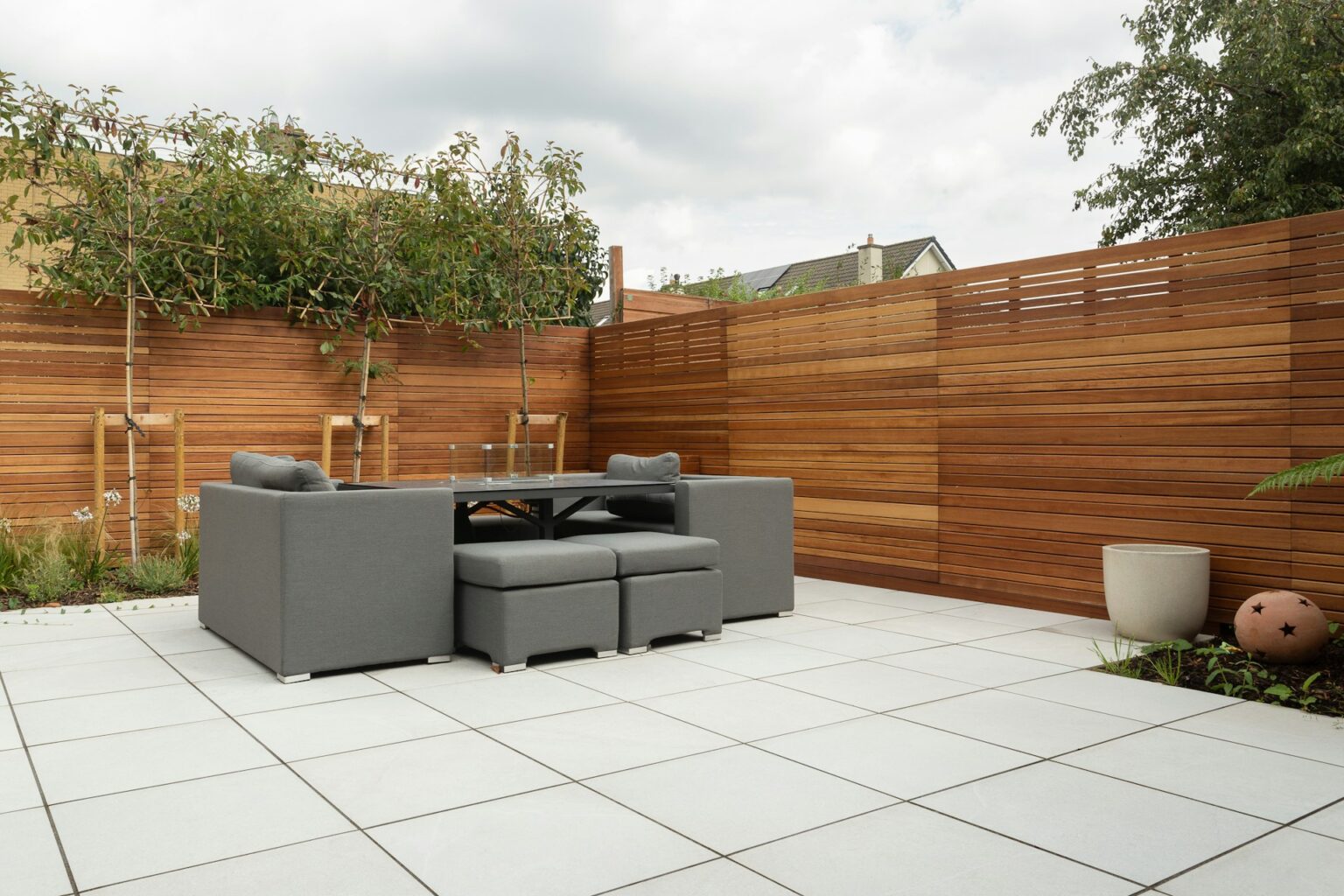
In the modern British architectural landscape, the boundary between our indoor sanctuaries and our outdoor environments is increasingly blurred. We no longer view a garden or a commercial courtyard as merely a patch of green to be glanced at through a window; instead, we recognise these areas as vital extensions of our living and working environments. However, creating a space that looks breathtaking while simultaneously serving a clear, functional purpose is an intricate art. It requires a deep understanding of horticulture, drainage, spatial flow, and material durability. When beauty and practicality are in perfect equilibrium, an outdoor space becomes more than just an aesthetic asset—it becomes a transformative experience that enhances well-being and property value alike.
The journey toward a successful transformation begins with a clear vision and the right technical support. For those looking to redefine their environment, engaging professional Landscape Planning Services from a reputable firm like Artemis Ltd is often the first step in ensuring that the conceptual design is grounded in structural reality. Navigating the complexities of local planning regulations, soil conditions, and sustainable water management requires an expert eye. By integrating professional oversight from the outset, developers and homeowners can avoid common pitfalls and ensure that the finished project is as resilient as it is visually captivating.
Defining the Purpose: The Foundation of Practicality
Before selecting the first paving stone or choosing a colour palette for the borders, one must ask: what is the primary goal of this space? A family garden requires safety and versatility, whereas a corporate plaza might prioritise accessibility and low-maintenance grandeur. Planning for practical use means anticipating how humans will move through the environment.
Zones and Spatial Flow
Just as a house is divided into rooms, a well-planned outdoor space should be divided into distinct zones. A dining area should ideally be placed in a sun-drenched spot near the kitchen, while a quiet retreat for reflection might be tucked away in a shaded corner. The transition between these areas is equally important. Using wide, sweeping paths creates a sense of luxury and ease, whereas narrow, winding trails can add an air of mystery and intimacy. Ensuring that these pathways are constructed from non-slip, durable materials is a prime example of where practicality must dictate design choices.
Climate Resilience and Year-Round Interest
In the UK, planning for beauty must account for the grey, drizzly months as much as the fleeting summer. A practical garden is one that does not disappear when the leaves fall. This is achieved through “structural planting”—the use of evergreens, pleached trees, and architectural hardscaping that provides a backbone to the garden in winter. Furthermore, managing British rainfall through clever drainage solutions and permeable paving ensures that the space remains usable and attractive even after a heavy downpour.
The Role of Professional Expertise
Designing an outdoor area is a multi-disciplinary challenge that involves more than just an eye for style. It involves environmental science and civil engineering. Many successful projects rely on the specialised knowledge provided by Landscape Planning Consultants at Artemis Ltd to bridge the gap between creative ambition and technical feasibility. These experts provide invaluable guidance on everything from biodiversity net gain requirements to the strategic placement of lighting and irrigation systems.
Material Selection and Longevity
Beauty is often temporary if the materials chosen cannot withstand the elements. Natural stone, such as Yorkstone or slate, offers a timeless British aesthetic and gains character as it ages. Conversely, composite decking might be chosen for its rot-resistant properties in damp, shaded areas. Professional consultants help balance the initial investment costs against long-term maintenance requirements, ensuring that the beauty of the project does not become a burden for the owner in the years to follow.
Essential Tips for a Balanced Outdoor Space
To help you get started on your planning journey, consider these essential elements that marry aesthetic appeal with everyday utility:
- Multi-Functional Furniture: Opt for seating that includes integrated storage or modular pieces that can be rearranged for different social gatherings.
- Strategic Lighting: Layered lighting—combining task lighting for paths, ambient lighting for seating, and accent lighting for trees—ensures the space is beautiful and safe after dark.
- Privacy Screening: Use natural solutions like bamboo, high-quality timber trellis, or evergreen hedging to create a private sanctuary without the harsh look of a concrete wall.
- Sustainable Water Management: Incorporate rain gardens or stylish water butts to collect runoff, promoting a beautiful ecosystem that manages its own resources.
- Sensory Planting: Choose plants not just for their appearance but for their scent and the sound they make in the wind, such as lavender or ornamental grasses, to create a truly immersive experience.
- Level Changes: Utilise retaining walls or tiered terracing to add visual interest to a flat site while creating more usable, level ground for activities.
Biodiversity and the “New Aesthetic”
In recent years, the definition of beauty in landscaping has shifted. The pristine, manicured lawn is being replaced by a more wild, ecologically rich aesthetic. This shift is inherently practical; wildlife-friendly gardens often require less chemical intervention and are more robust in the face of pests. Incorporating wildflower meadows, log piles for pollinators, and native British hedging creates a vibrant, living tapestry that changes with the seasons.
A biodiverse garden is a hard-working garden. It supports local ecosystems while providing a fascinating, ever-changing view for the inhabitants. By planning for nature, you are essentially “future-proofing” your outdoor space against the ecological challenges of the coming decades.
Summary
Planning an outdoor space that balances beauty and practical use is a rewarding investment in both lifestyle and legacy. By carefully zoning your area, selecting resilient materials, and seeking professional guidance, you can create a landscape that serves your needs while delighting the senses. Remember that the most successful spaces are those that reflect the unique character of their surroundings while standing the test of time. A well-planned garden is not just a destination; it is a lasting testament to thoughtful design.
Leave a Reply
You must be logged in to post a comment.