
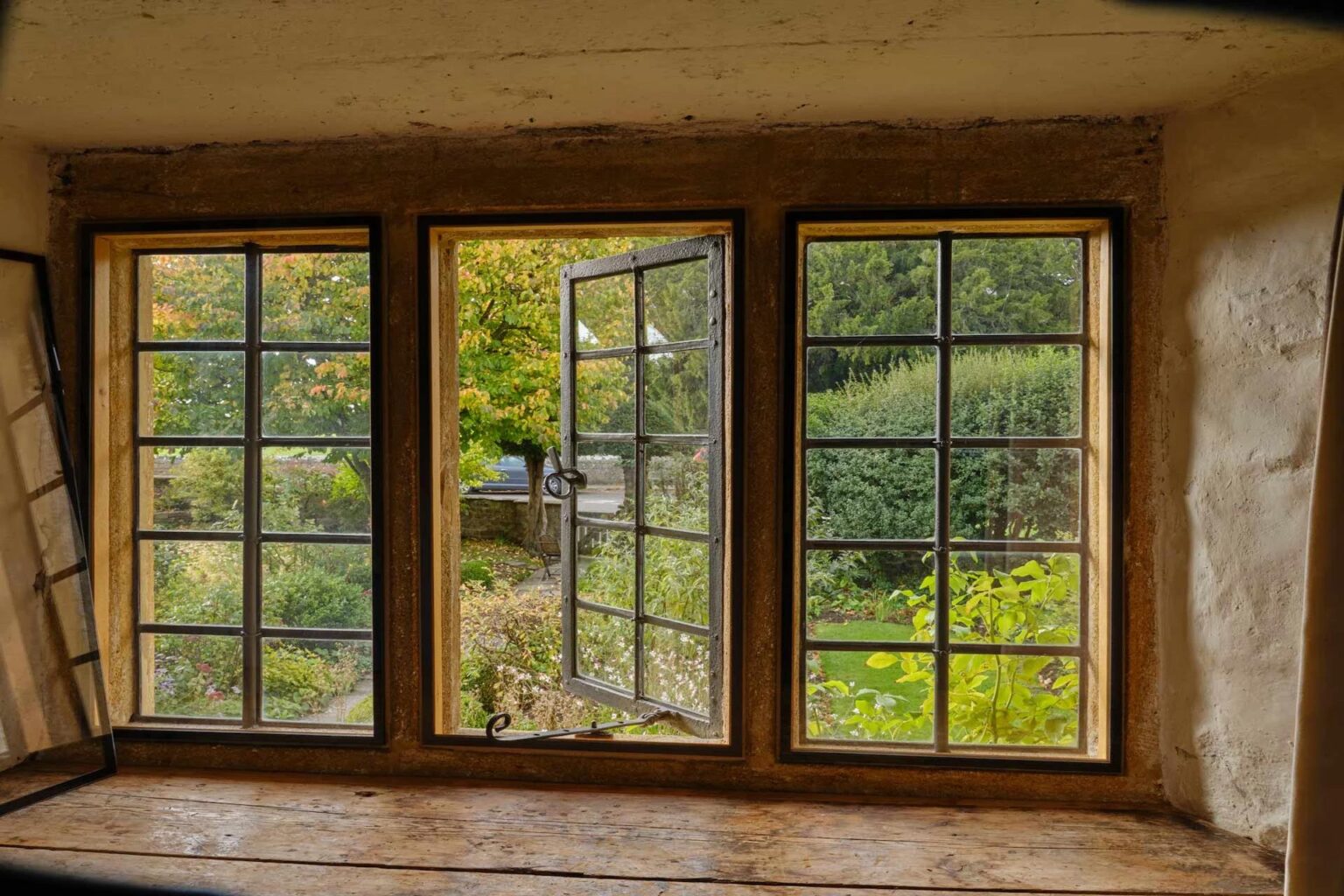
Older properties often carry a unique charm, but they can also present challenges when it comes to insulation, noise control, and overall comfort. Traditional windows, while visually appealing, are not always designed to meet modern energy efficiency standards. This is where secondary glazing becomes a practical and often preferred solution.
For homeowners exploring options such as glazing services, secondary glazing repair offers a way to improve performance without compromising the original character of a property. Understanding how it works and when it is appropriate can help you make informed decisions, particularly if you are dealing with listed buildings or heritage homes.
What Is Secondary Glazing?
Secondary glazing involves installing an additional pane of glass on the inside of an existing window. Unlike double glazing, which replaces the original unit entirely, secondary glazing works alongside the existing structure.
This method creates an insulating gap between the original window and the secondary panel. The result is improved thermal performance, reduced draughts, and enhanced sound insulation. It is especially useful in situations where replacing original windows is either not permitted or not desirable.
What Does Secondary Glazing Repair Involve?
Over time, secondary glazing systems can experience wear and tear. Repairs may be needed to restore functionality and maintain efficiency.
Typical repair work may include:
- Fixing or replacing damaged panels
- Repairing sliding or hinged mechanisms
- Addressing condensation issues between panes
- Re-sealing gaps to improve insulation
- Adjusting fittings for smoother operation
These repairs aim to extend the life of the system while ensuring it continues to perform effectively. In many cases, repairing existing installations is more cost-effective than replacing them entirely.
Why Older Properties Benefit from Secondary Glazing
Older homes, particularly those built before modern building regulations, often lack adequate insulation. Windows are usually one of the main sources of heat loss.
Secondary glazing provides a solution that respects the original design while improving comfort. It allows homeowners to retain period features such as sash windows or decorative frames, which are often protected in listed buildings.
In addition, secondary glazing can help reduce outside noise. This is particularly valuable in urban areas or properties located near busy roads.
When Is Secondary Glazing Repair the Right Choice?
Not every situation requires a full replacement. In many cases, repairing existing systems is the more sensible option.
1. When the Structure Is Still Sound
If the secondary glazing frame and overall system are intact, minor repairs can restore performance without significant disruption. Issues like loose fittings or worn seals can often be addressed quickly.
2. When You Want to Preserve Original Features
For heritage properties, maintaining authenticity is often a priority. Repairing secondary glazing allows you to keep both the original windows and the added system in good condition.
3. When Budget Is a Consideration
Repair work is typically more affordable than installing new systems. If the existing glazing still has life left in it, repairs can provide a practical and cost-effective solution.
4. When You Notice Reduced Performance
Signs such as increased draughts, condensation, or difficulty opening panels may indicate that repairs are needed. Addressing these issues early can prevent further deterioration.
Key Advantages of Secondary Glazing
Secondary glazing continues to be popular because it offers several clear benefits, especially for older homes.
Improved Energy Efficiency
By adding an extra layer of insulation, secondary glazing reduces heat loss. This can make a noticeable difference to indoor comfort, particularly during colder months.
Noise Reduction
The additional pane creates a barrier that helps block external noise. This is especially useful in busy environments where sound insulation is a concern.
Preservation of Character
Unlike replacement windows, secondary glazing does not alter the external appearance of a property. This makes it suitable for conservation areas and listed buildings.
Cost-Effective Solution
Compared to full window replacement, secondary glazing is often more affordable. Repairing existing systems further reduces costs while maintaining benefits.
Minimal Disruption
Installation and repair work are generally less invasive than replacing windows. This means less disruption to daily life and the structure of the property.
Signs That Your Secondary Glazing Needs Repair
Recognising early warning signs can help you address issues before they become more serious.
Common indicators include:
- Difficulty opening or closing panels
- Visible damage to glass or frames
- Draughts around the edges
- Increased condensation between panes
- Unusual noise from loose fittings
If you notice any of these problems, it may be time to consider professional glazing services to assess and repair the system.
Repair vs Replacement: How to Decide
Choosing between repair and replacement depends on the condition of your existing system.
If the damage is limited and the structure remains stable, repairs are usually sufficient. However, if the system is severely worn or outdated, replacement may offer better long-term value.
A professional assessment can help determine the most suitable option based on your specific needs and the condition of your property.
Maintaining Secondary Glazing for Longevity
Regular maintenance can extend the life of your secondary glazing and reduce the need for major repairs.
Simple steps include:
- Cleaning glass and frames regularly
- Checking seals for wear or gaps
- Ensuring moving parts are properly aligned
- Addressing minor issues promptly
By taking a proactive approach, you can keep your system functioning efficiently for years to come.
Conclusion
Secondary glazing repair is a highly effective and practical solution for improving the performance of older windows without compromising the character of a property. It addresses common issues such as heat loss, draughts, and noise pollution while extending the lifespan of existing glazing systems. For homeowners seeking cost-effective glazing services, repair often proves to be a smarter alternative to full replacement, especially when the original structure remains in good condition.
By choosing timely repairs and regular maintenance, you can significantly enhance energy efficiency, indoor comfort, and overall property value. Ultimately, secondary glazing repair offers a balanced approach—preserving historic charm while meeting modern living standards—making it an ideal choice for anyone maintaining or upgrading an older home.
Leave a Reply
You must be logged in to post a comment.