
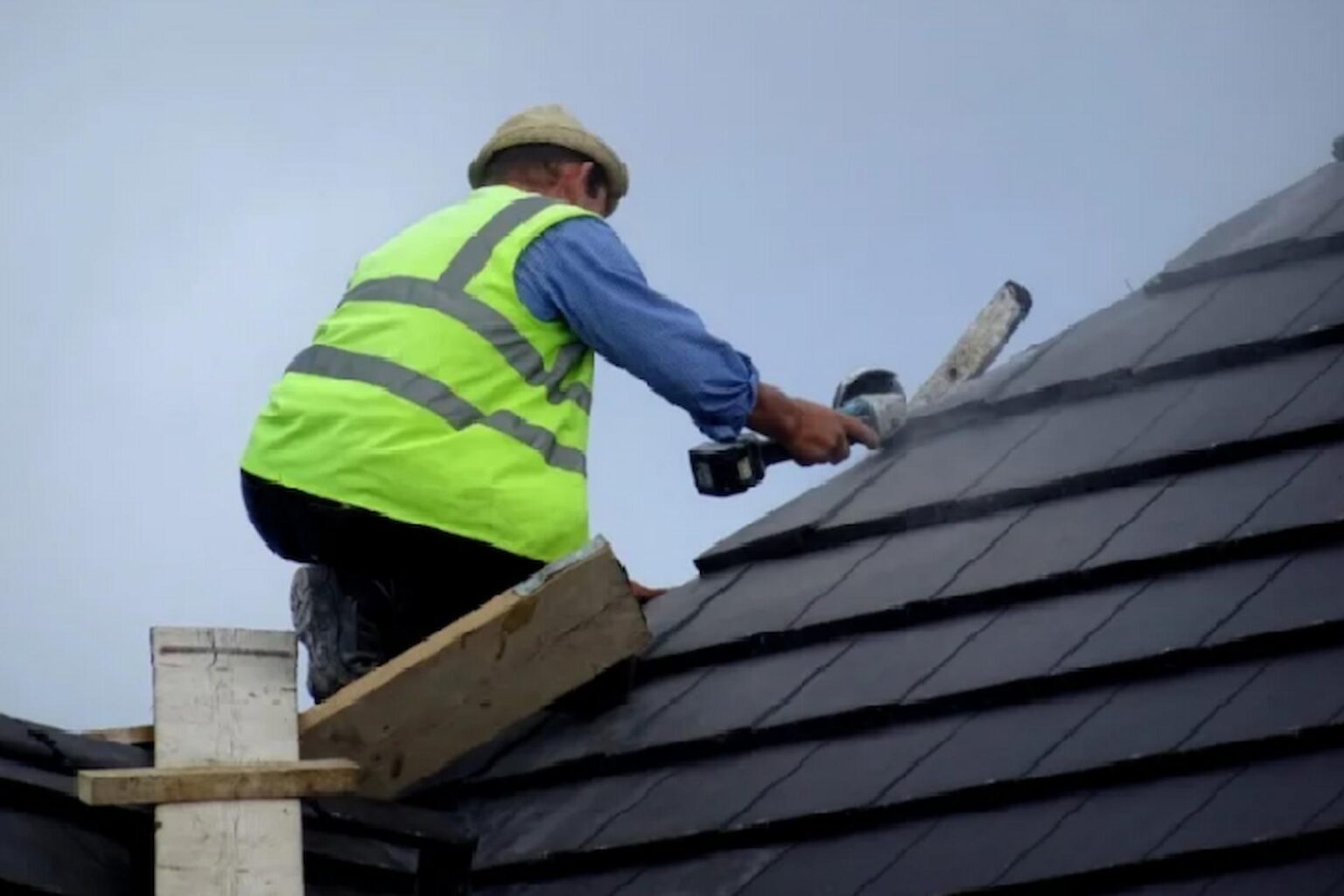
Your home shields you from changing weather, and its first line of defense is the roof overhead. While it is easy to take a sturdy roof for granted, architectural shingles and metal panels endure constant exposure to intense sunlight, heavy downpours, and high winds. Ignoring minor wear can quickly transform small issues into expensive structural damage. Spotting the early warning signs of deterioration allows you to address vulnerabilities before they compromise your living space. Recognizing when your home needs professional attention saves money, protects your equity, and ensures long-term peace of mind.
Homeowners frequently overlook subtle changes in their shingles until a ceiling stain appears. If you notice localized sagging, dark water spots, or missing granules in your gutters, it is crucial to consult professionals who understand regional weather patterns. Homeowners looking to secure their property against seasonal storms often reach out to dependable roofing contractors Pinellas Park FL, to inspect the integrity of their decking. Proactive inspections catch cracked flashing and minor leaks early, preventing wood rot from spreading through the attic rafters and compromising the interior ceilings.
Visible Indicators of Shingle Damage
The most obvious signs of trouble manifest directly on the exterior surface of your roof. After severe windstorms or hail events, conducting a visual ground inspection can reveal significant vulnerabilities.
Curling, Cupping, and Missing Shingles
As asphalt shingles age, they lose their flexibility due to thermal expansion and contraction. You might notice the edges curling upward or the middle bowing outward. This distortion leaves the underlayment exposed to driving rain. If entire shingles blow off during a storm, the bare wood beneath faces immediate water exposure, accelerating the decay process.
Excessive Granule Loss
Asphalt shingles feature a protective layer of mineral granules that shield the asphalt from ultraviolet radiation. Over time, these granules loosen and wash into the downspouts. Finding a heavy accumulation of dark, sand-like debris in your gutters means your shingles have lost their UV protection. This loss causes the material to become brittle, crack, and fail prematurely.
Hidden Threats Inside the Attic
Not all roof damage requires climbing a ladder to diagnose. Often, the most telling signs of structural compromise hide directly inside your attic or along your interior upper walls.
If you suspect an issue, grab a flashlight and inspect your attic during a heavy rainstorm. Look closely at the underside of the roof decking for dark streaks, damp insulation, or active dripping. Experienced roofing contractors Pinellas Park FL, emphasize that attic discoloration usually points to failed pipe boots or compromised valley flashing. Addressing these hidden leaks immediately prevents toxic mold growth and preserves the R-value of your home’s insulation, keeping your cooling costs manageable.
Sagging Roof Decking
A straight, uniform roofline indicates healthy support beams and dry decking. If you notice a dipped or wavy appearance from the street, the structural sheathing underneath may be absorbing moisture. Wet plywood warps and softens, creating a serious safety hazard that requires immediate stabilization and material replacement.
Financial and Functional Red Flags
Sometimes, the evidence of a failing roof shows up on your monthly statements or through sudden changes in indoor air quality.
Spiking Energy Bills
A sudden, unexplained increase in your monthly cooling or heating expenses can be traced back to poor attic ventilation or structural gaps. When a roof sustains damage, it can allow conditioned indoor air to escape while drawing in humid outdoor air. This forces your HVAC system to work overtime, short-term wear on your equipment and higher utility costs.
Peeling Interior Paint and Blistering Wallpaper
When moisture traps itself within interior walls, it compromises cosmetic finishes. If you see paint bubbling near the top of your walls or wallpaper peeling away from the drywall, water is likely migrating downward from the roofline.
Proactive Steps for Smart Homeowners
To keep your structural system intact, integrate simple monitoring habits into your annual property maintenance routine. Taking action early keeps repair costs low and extends the operational lifespan of your current materials.
- Check exterior flashings around chimneys, skylights, and vents for cracked sealant or rusted metal.
- Clear leaves, twigs, and organic debris from valleys to prevent water dams from forming.
- Examine interior ceilings for bubbling plaster, faint yellow rings, or dark spots.
- Monitor the alignment of fascia boards and soffit vents for signs of wood rot or pest intrusion.
- Schedule a professional inspection after any major hailstorm or high-wind event.
Securing Your Home’s Future
Investing in timely roof maintenance protects your largest financial asset from preventable environmental damage. Postponing necessary structural care only leads to extensive drywall repairs, ruined insulation, and compromised framing. By partnering with licensed professionals who utilize high-quality materials and precise installation methods, you ensure your property remains safe, energy-efficient, and dry for decades. Keep an eye on your shingles, check your attic space regularly, and contact local specialists at the first sign of trouble to keep your home fully protected.
Leave a Reply
You must be logged in to post a comment.