
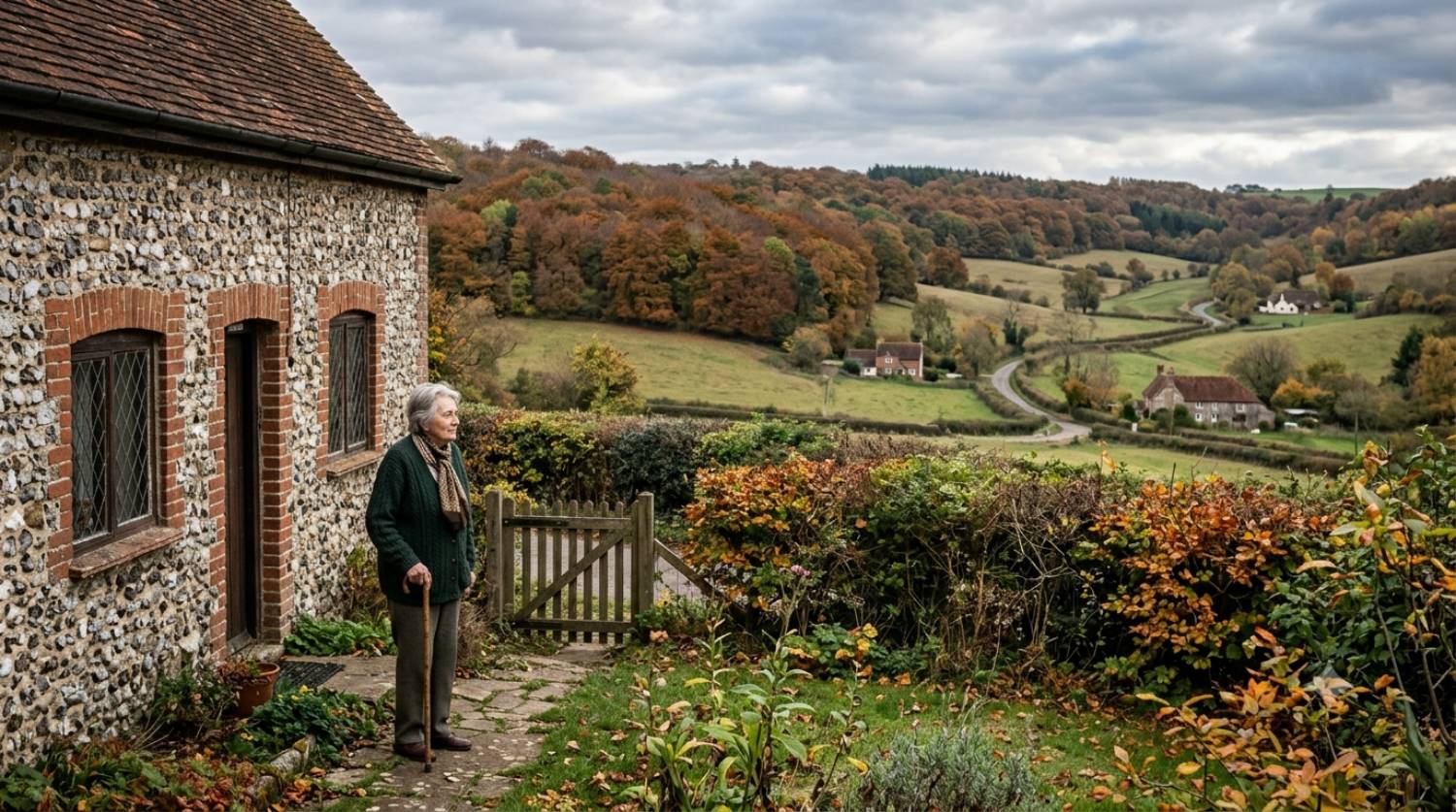
Rural life in the Chilterns can offer peace, familiarity and strong community ties. However, distance from transport, shops and health services may leave older residents increasingly isolated. Recognising the early signs and coordinating practical support can help people remain safe, connected and independent in the homes and communities they know.
The Chilterns may appear peaceful and well connected, yet rural living can become difficult as people age. Limited transport, distant services and declining mobility can turn independence into isolation. Family members may live far away, while neighbours cannot always provide regular support. For some households, live in care Buckinghamshire offers a way for an older person to remain at home with personalised assistance and companionship. However, no single service can solve rural isolation alone. Families, healthcare professionals, community groups and care providers must recognise changing needs early and build support around safety, nutrition, mobility, social contact and personal choice.
Why Rural Isolation Can Be Difficult to See
Isolation does not always mean living without visitors. An older resident may exchange greetings with neighbours yet still lack meaningful conversation, practical assistance or reliable transport.
1. Distance Creates Everyday Barriers
A short trip for groceries, medication or a medical appointment becomes difficult when someone stops driving. Rural bus services may be limited, particularly during evenings and weekends. Poor mobility can make even a distant bus stop inaccessible.
Digital services do not solve every problem. Some older people lack confidence online, struggle with sight or dexterity, or live in areas with unreliable connectivity.
2. Gradual Changes Often Go Unnoticed
Isolation frequently develops through small changes rather than one event. A person may stop attending activities after a fall, avoid driving in winter or reduce shopping because carrying bags has become difficult.
Warning signs can include:
- Missed appointments or unopened post
- An empty fridge or repeated simple meals
- Reduced personal care
- Confusion about medication
- Withdrawal from calls and social activities
These signs need a sensitive conversation, not an immediate loss of control.
How Isolation Affects Health and Independence
Loneliness and practical isolation are related but distinct concerns. An older person may enjoy solitude yet remain vulnerable because essential help is difficult to access. Reduced activity can weaken strength and balance, while poor access to fresh food, prescriptions and medical appointments may affect overall health. Living alone can also increase the consequences of a fall, particularly when nobody is available to notice quickly or arrange assistance. Long periods without meaningful contact may reduce confidence, motivation and emotional wellbeing, causing some residents to limit their routines through fear of falling or becoming stranded. Regular companionship, shared meals, conversation and supported outings can restore structure while respecting individual preferences.
Building Support Before a Crisis
Families should begin planning when early difficulties appear, rather than waiting for a hospital admission or serious accident.
Create a Rural Support Plan
A practical assessment should cover personal care, mobility, meals, medicines, transport, home safety and social contact. Ask the older person which tasks feel difficult and what kind of help they would accept.
Useful actions include:
- Arrange regular family or neighbour check-ins.
- Review transport to appointments and shops.
- Install an appropriate personal alarm.
- Improve lighting and remove trip hazards.
- Record key contacts and medication details.
Consent and dignity should guide every decision. Support works best when it protects choice rather than taking over unnecessarily.
Consider Consistent Support at Home
When occasional visits are no longer enough, live in care buckinghamshire may provide one-to-one assistance in familiar surroundings. Depending on the assessed care plan, support can include companionship, meal preparation, personal care, medication assistance, mobility help, shopping and transport to appointments.
Families should ask how carers are assessed and matched, what happens during breaks or emergencies, and how changing needs are reviewed. Live-in care does not mean one worker remains awake and actively working around the clock; overnight requirements and working arrangements must be discussed clearly.
FAQs
Is living alone the same as being lonely?
No. Some people enjoy living alone. Concern arises when they lack desired social contact or cannot obtain practical help.
What is the earliest warning sign?
A noticeable change in routine, such as missed appointments, reduced shopping or withdrawal from regular activities, often deserves attention.
Can technology prevent rural isolation?
It can support communication and safety, but it should complement human contact rather than replace it.
When should a care assessment be requested?
Seek an assessment when daily tasks, mobility, medication or personal safety become difficult to manage reliably.
Can an older person remain involved in care decisions?
Yes. Their preferences, routines and consent should remain central wherever they have capacity to decide.
Final Thoughts
Rural isolation in the Chilterns can remain hidden behind attractive surroundings and a strong desire for independence. Distance from shops, healthcare and reliable transport may gradually reduce social contact, nutrition, activity and confidence. Families should watch for changes in routine and begin respectful conversations before an emergency forces hurried decisions.
Effective support usually combines several measures. Community contact, safe transport, personal alarms, home adaptations and coordinated health services can all help. Where needs become continuous, personalised care at home may preserve familiar routines while providing companionship and practical assistance. Any plan should begin with a proper assessment and be reviewed as health, mobility or cognition changes. Families should also confirm overnight arrangements, contingency cover and how carers communicate with healthcare professionals. With thoughtful planning, live in care Buckinghamshire can form part of a wider response that helps isolated older residents remain safe, connected and respected within their rural communities.
Leave a Reply
You must be logged in to post a comment.