
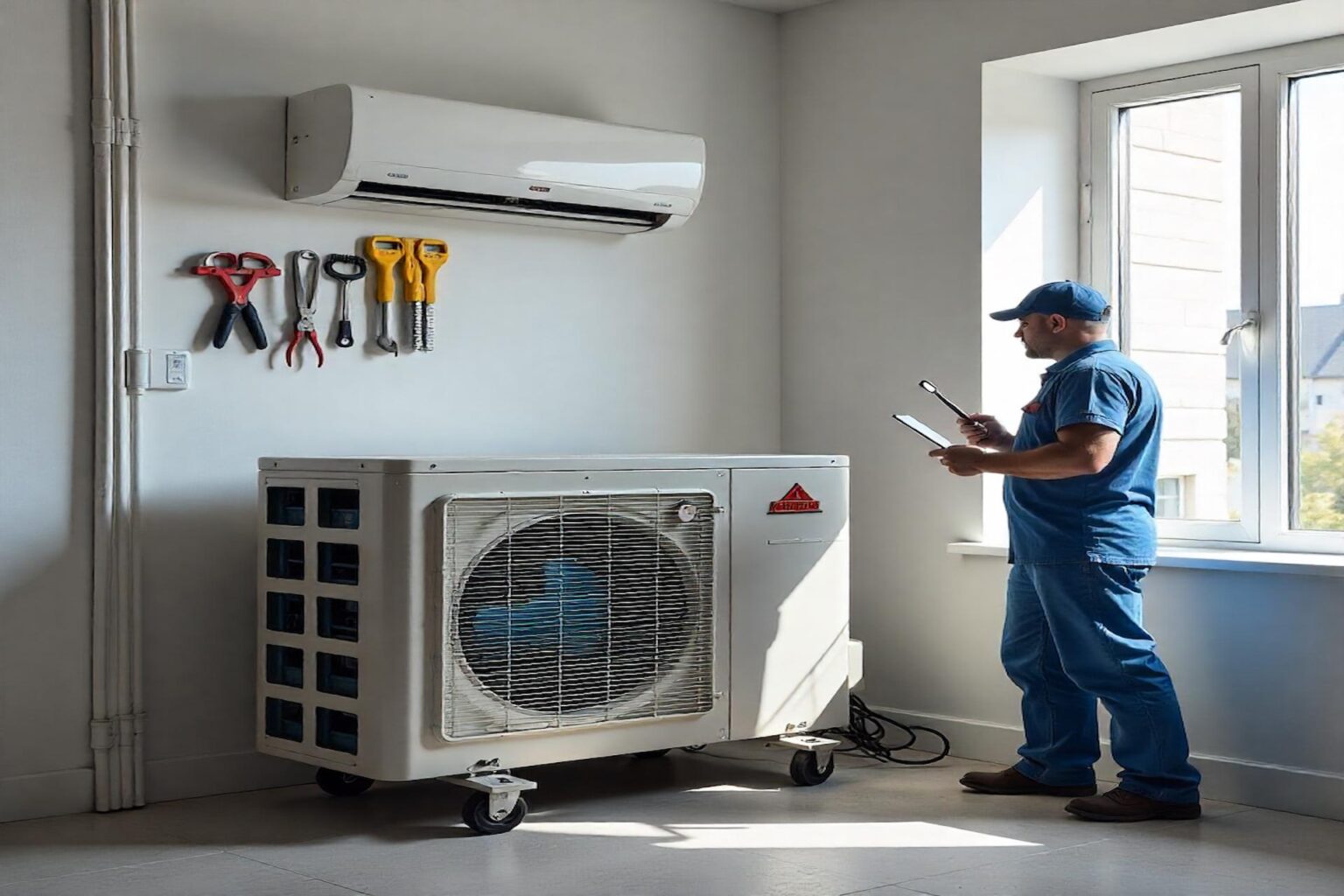
Your heating and cooling system does much more than simply warm your home in winter or cool it during the summer. It works alongside many other parts of your house, from insulation and airflow to humidity and ventilation. When one of these elements isn’t performing as it should, your HVAC system has to work harder to maintain a comfortable indoor temperature.
If you’re looking into HVAC services Carlisle, KY, it’s also helpful to understand the hidden factors that affect your home’s overall comfort. Identifying these often-overlooked issues can improve efficiency, reduce unnecessary energy use, and help your HVAC system perform more reliably throughout the year.
Insulation Has a Major Impact on Indoor Comfort
Many homeowners underestimate the role insulation plays in heating and cooling performance. Proper insulation slows the transfer of heat, helping your home stay warmer during the winter and cooler in the summer.
If insulation is old, damaged, or insufficient, conditioned air escapes more easily while outdoor temperatures enter your home. This forces your HVAC system to operate longer than necessary to maintain your preferred temperature.
Attics, crawl spaces, and exterior walls are common areas where insulation problems occur. Improving insulation in these spaces often leads to better comfort and lower energy consumption.
Small Air Leaks Can Create Big Problems
Tiny gaps around doors, windows, plumbing openings, and electrical outlets may seem insignificant, but together they can allow a surprising amount of air to escape. These leaks create drafts and make it difficult for your HVAC system to maintain a steady indoor temperature. Sealing these openings helps reduce energy loss while making every room feel more comfortable. Even relatively small improvements in air sealing can make a noticeable difference throughout the year.
Dirty Air Filters Restrict Airflow
Air filters protect your HVAC system by trapping dust, pollen, pet hair, and other airborne particles. As filters become dirty, airflow through the system decreases, making it harder for heated or cooled air to circulate properly. Reduced airflow causes the blower to work harder and may decrease overall system efficiency. Depending on your household, checking the filter every month and replacing it when necessary helps maintain consistent performance and supports healthier indoor air quality.
Thermostat Placement Can Affect System Performance
The thermostat serves as the control center for your heating and cooling system, but where it’s located matters more than many homeowners realize. If the thermostat is installed near direct sunlight, exterior doors, windows, or heat-producing appliances, it may detect temperatures that don’t accurately reflect the rest of the home. This can cause your HVAC system to turn on or off at the wrong times, resulting in uneven temperatures and unnecessary energy use. A properly positioned thermostat helps your system respond more accurately to your home’s actual comfort needs.
Blocked Vents Limit Air Circulation
Furniture placement can unintentionally interfere with your HVAC system. Large sofas, beds, cabinets, or bookshelves placed directly over supply or return vents reduce airflow and prevent conditioned air from circulating properly. When airflow becomes restricted, some rooms may remain too warm while others stay too cool. Keeping vents open and unobstructed allows air to move freely throughout your home, helping maintain consistent temperatures in every room.
Indoor Humidity Influences Comfort
Comfort isn’t determined by temperature alone. Humidity plays an important role in how warm or cool your home actually feels. High humidity during the summer can make indoor spaces feel much hotter than the thermostat reading suggests. During winter, air that becomes too dry may create discomfort, dry skin, static electricity, and damage to certain wood furnishings. Maintaining balanced indoor humidity helps improve comfort while allowing your HVAC system to operate more efficiently.
Hidden Duct Problems Can Reduce Efficiency
Your ductwork carries conditioned air throughout your home, but because it’s hidden behind walls, ceilings, or beneath floors, problems often go unnoticed.
Leaks, disconnected joints, or damaged insulation can allow heated or cooled air to escape before it reaches your living spaces. This forces your HVAC system to work longer while delivering less comfort. If you notice uneven temperatures, weak airflow, rising utility bills, or excessive dust, your ductwork may benefit from a professional inspection.
Everyday Habits Can Affect HVAC Performance
Daily routines also influence how efficiently your heating and cooling system operates. Frequently changing thermostat settings, leaving doors or windows open while the system is running, or forgetting to replace air filters can all increase the workload on your equipment. Simple habits such as keeping vents clear, maintaining clean filters, and using ceiling fans to improve air circulation can help your HVAC system distribute air more evenly throughout the home. These small adjustments support better efficiency without requiring major upgrades or costly improvements.
Landscaping Around the Outdoor Unit Matters
The outdoor condenser needs adequate airflow to release heat effectively. Shrubs, tall grass, leaves, or stored items placed too close to the unit can block airflow and reduce efficiency. Keeping the surrounding area clean allows the equipment to operate more effectively and makes routine maintenance easier. Regularly removing debris also helps prevent dirt from building up inside the unit.
Aging Components Can Gradually Reduce Performance
Heating and cooling systems typically become less efficient over time. Motors wear down, electrical connections loosen, and moving parts experience normal wear after years of operation. Because these changes happen gradually, many homeowners don’t notice declining performance until comfort decreases or utility bills begin to rise. Routine inspections can identify worn components early, allowing repairs before larger problems develop.
Regular Maintenance Helps Prevent Hidden Issues
Many HVAC problems begin long before homeowners notice obvious symptoms. Preventive maintenance gives technicians the opportunity to inspect system components, clean important parts, test performance, and identify developing issues before they become expensive repairs. Regular maintenance also helps improve airflow, supports energy efficiency, and extends the lifespan of heating and cooling equipment. Scheduling inspections before the peak heating and cooling seasons helps ensure the system is prepared for heavier workloads.
Bringing It All Together
A home’s heating and cooling performance depends on much more than the HVAC equipment itself. Insulation, air leaks, ductwork, humidity, thermostat placement, airflow, landscaping, and regular maintenance all work together to influence comfort and efficiency. When one area isn’t performing well, the entire system can be affected.
By paying attention to these hidden factors and addressing small issues before they become larger ones, homeowners can improve indoor comfort, reduce unnecessary energy use, and help their HVAC system perform more efficiently throughout the year. A proactive approach not only supports consistent temperatures but also helps protect your investment in your home’s heating and cooling system.
Leave a Reply
You must be logged in to post a comment.