
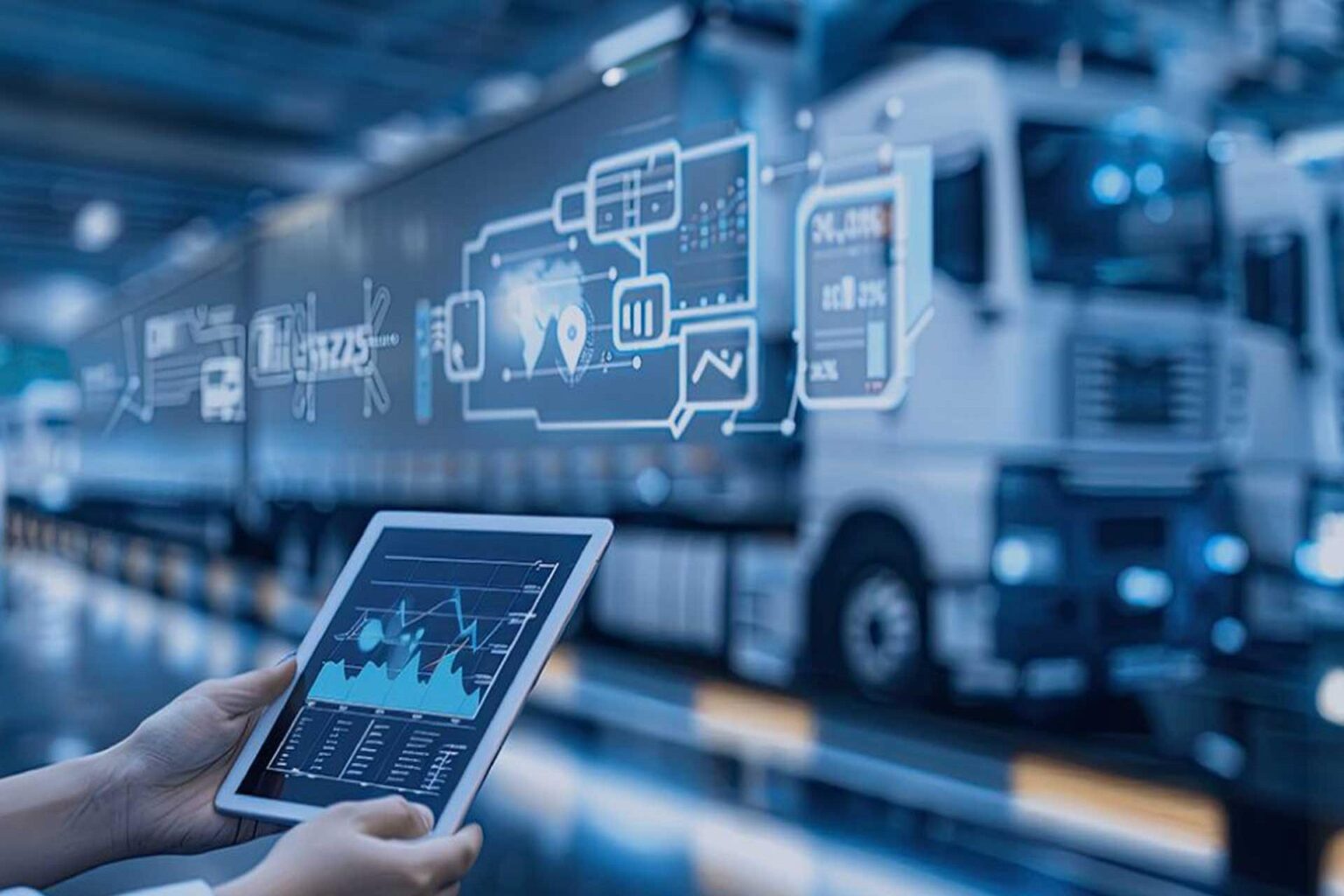
Managing a fleet has always involved balancing a wide range of costs, from fuel and maintenance to insurance and vehicle replacement. As businesses face increasing pressure to improve efficiency while controlling expenses, technology has become an essential tool in modern fleet management. Among the most significant developments in recent years is machine learning, a branch of artificial intelligence that helps organisations analyse data, identify patterns, and make smarter decisions.
Companies such as AI Corporation have contributed to the growing adoption of advanced data-driven technologies that help businesses improve operational performance and gain deeper insights into fleet activities. As machine learning capabilities continue to evolve, fleet operators are discovering new ways to reduce costs without compromising service quality.
Understanding Machine Learning in Fleet Operations
Machine learning refers to computer systems that learn from data and improve their performance over time without requiring explicit programming for every scenario. Unlike traditional software, which follows fixed rules, machine learning algorithms can analyse large volumes of information, detect trends, and generate predictions based on historical data.
In fleet management, these systems process information from vehicle telematics, GPS tracking, fuel cards, maintenance records, driver behaviour reports, and operational schedules. By identifying patterns that would be difficult for humans to detect manually, machine learning helps fleet managers make more informed decisions.
The result is greater visibility across fleet operations and more opportunities to reduce unnecessary expenditure.
Improving Fuel Efficiency
Fuel is often one of the largest operating expenses for any fleet. Even small improvements in fuel efficiency can produce substantial savings over time.
Machine learning systems analyse driving behaviour, route selection, vehicle performance, and fuel consumption data to identify inefficiencies. For example, they can detect excessive idling, harsh acceleration, unnecessary detours, or inconsistent driving habits that contribute to increased fuel usage.
By providing actionable insights, these systems allow managers to:
- Optimise routes
- Reduce idle time
- Improve driver training programmes
- Identify underperforming vehicles
- Monitor fuel consumption trends
As a result, organisations can lower fuel costs while reducing their environmental impact.
Predictive Maintenance Reduces Repair Costs
Unexpected vehicle breakdowns can be expensive and disruptive. Traditional maintenance schedules often rely on fixed service intervals, which may not accurately reflect a vehicle’s actual condition.
Machine learning changes this approach by enabling predictive maintenance. By continuously analysing data from vehicle sensors and maintenance records, algorithms can identify early warning signs of mechanical problems before they become serious failures.
This proactive strategy offers several advantages:
- Reduced emergency repair costs
- Less vehicle downtime
- Longer vehicle lifespan
- Improved safety
- Better maintenance planning
Instead of waiting for components to fail, fleet managers can schedule repairs at the most cost-effective time, helping to avoid major disruptions.
Enhancing Driver Performance
Driver behaviour has a direct impact on fleet operating costs. Aggressive driving, speeding, harsh braking, and poor route choices can increase fuel consumption, maintenance expenses, and accident risks.
Machine learning platforms evaluate driver performance using data collected from telematics systems. These tools identify behavioural patterns and highlight opportunities for improvement.
Managers can then provide targeted coaching based on objective data rather than assumptions. Over time, drivers become more aware of their habits and adopt safer, more efficient practices.
The financial benefits often include:
- Lower fuel costs
- Reduced tyre wear
- Fewer accidents
- Lower insurance premiums
- Improved vehicle longevity
Better driving habits contribute to a safer and more cost-effective fleet operation.
Smarter Route Planning
Route optimisation has long been a priority for fleet managers, but machine learning takes it to a new level.
Traditional routing systems often rely on static information. Machine learning models, however, can incorporate real-time and historical data, including traffic patterns, weather conditions, delivery schedules, and road closures.
These systems continuously learn from past journeys and recommend routes that minimise travel time and fuel consumption.
Benefits of advanced route optimisation include:
- Reduced mileage
- Faster deliveries
- Lower fuel expenses
- Improved customer satisfaction
- Increased vehicle utilisation
For organisations operating large fleets, these improvements can translate into significant annual savings.
Better Fleet Utilisation
Many businesses unknowingly operate vehicles that are underused or improperly allocated. Machine learning helps identify utilisation patterns across an entire fleet.
By analysing usage data, businesses can determine:
- Which vehicles are used most frequently
- Which assets remain idle for extended periods
- Whether fleet size matches operational requirements
- Opportunities for vehicle sharing across departments
This information supports more strategic decisions regarding fleet expansion, replacement, and asset allocation.
Optimising vehicle usage can reduce capital expenditure and improve overall return on investment.
Reducing Fraud and Unauthorised Spending
Machine learning is also becoming an effective tool for identifying unusual transactions and suspicious activity within fleet operations.
Algorithms can monitor purchasing patterns and quickly flag anomalies, such as:
- Unusual fuel purchases
- Transactions outside authorised locations
- Excessive spending
- Potential fuel theft
- Unauthorised vehicle use
Because machine learning systems continuously learn from normal operating behaviour, they can identify irregularities more accurately than many traditional monitoring methods.
This additional layer of oversight helps organisations minimise financial losses and improve operational accountability.
Supporting Strategic Decision-Making
Perhaps the greatest advantage of machine learning is its ability to support long-term strategic planning.
Fleet managers often face decisions involving vehicle replacement cycles, procurement strategies, budget allocation, and resource planning. Machine learning provides evidence-based insights that reduce uncertainty and improve forecasting accuracy.
Rather than relying solely on historical reports, decision-makers can use predictive analytics to evaluate future scenarios and identify the most cost-effective course of action.
This data-driven approach allows organisations to respond more effectively to changing market conditions and operational demands.
Conclusion
Machine learning is transforming fleet cost management by helping organisations make smarter, faster, and more informed decisions. From reducing fuel consumption and maintenance costs to improving driver performance and detecting unusual spending patterns, the technology offers practical solutions to many of the challenges faced by modern fleet operators.
As fleets continue to generate larger volumes of operational data, the value of machine learning will only increase. Businesses that embrace these capabilities are better positioned to improve efficiency, control expenses, and maintain a competitive advantage in an increasingly data-driven transportation environment. Whether managing a small commercial fleet or a large nationwide operation, machine learning provides powerful tools for achieving sustainable cost savings and long-term operational success.
Leave a Reply
You must be logged in to post a comment.