
Energy costs continue to rise for commercial buildings, making efficiency more important than ever for business owners and property managers. In many facilities, heating and cooling systems account for a large portion of monthly operating expenses. When HVAC systems are poorly maintained or managed incorrectly, utility bills can climb quickly without obvious warning signs.
Many commercial properties waste money simply because small HVAC issues are ignored for too long. Dirty components, poor airflow, incorrect thermostat settings, and delayed repairs all force systems to work harder than necessary. Businesses that prioritise preventative maintenance and energy efficiency often experience lower operating costs, better indoor comfort, and fewer unexpected breakdowns. Investing in regular commercial HVAC service can help identify hidden inefficiencies before they become expensive long-term problems.
Ignoring Preventative HVAC Maintenance
One of the most common mistakes in commercial buildings is postponing routine HVAC maintenance. Many systems appear to function normally even while efficiency steadily declines behind the scenes. Over time, dust, dirt, and worn components reduce system performance and increase energy consumption.
Dirty air filters restrict airflow, forcing the system to work harder to maintain indoor temperatures. Clogged evaporator and condenser coils reduce heat transfer efficiency, while neglected moving parts create additional strain on motors and fans. These small problems may seem minor initially, but they gradually increase utility costs month after month.
Preventative maintenance helps technicians identify issues early before they become major repairs. Regular servicing also improves system lifespan and keeps heating and cooling equipment operating closer to peak efficiency.
Using Incorrect Thermostat Settings
Thermostat management plays a significant role in commercial energy consumption. Many buildings lose energy because thermostats are adjusted too frequently or remain set to inefficient temperatures throughout the day.
In some offices and retail spaces, employees manually change settings based on personal comfort preferences. Constant adjustments force HVAC systems to cycle more often, increasing wear and energy use. Running cooling systems aggressively during mild weather or keeping heating systems too high during winter also contributes to unnecessary expenses.
Programming thermostats around occupancy schedules can significantly improve efficiency. Systems should reduce heating and cooling during evenings, weekends, or low-traffic hours when full climate control is unnecessary. Smart thermostats and building automation systems can simplify this process while reducing energy waste.
Poor Airflow and Ventilation Management
Airflow problems are another major contributor to rising utility bills. Commercial HVAC systems rely on balanced airflow to distribute heating and cooling evenly throughout the building. When vents, ducts, or filters become blocked, the system struggles to maintain consistent temperatures.
Furniture, storage boxes, or office equipment placed near vents can restrict circulation. Dirty ductwork also reduces airflow while affecting indoor air quality. As airflow decreases, HVAC equipment operates longer and consumes more energy to compensate for uneven temperature distribution.
Ventilation issues may also create pressure imbalances inside the building. Excessive humidity, stale air, and inconsistent room temperatures are often signs that airflow needs attention. Regular inspections and professional duct cleaning can improve efficiency while creating a more comfortable indoor environment.
Delaying Repairs on Minor HVAC Issues
Many businesses ignore small HVAC problems because the system still appears functional. Unfortunately, minor issues often become expensive energy drains when left unresolved.
Unusual noises, inconsistent temperatures, refrigerant leaks, or short cycling are common warning signs that something is wrong. Even a small mechanical fault can reduce efficiency dramatically. For example, worn fan motors may force the system to run longer cycles, while refrigerant problems reduce cooling performance and increase electricity use.
Delaying repairs also increases the risk of sudden breakdowns during peak seasons when HVAC demand is highest. Emergency repairs often cost significantly more than routine service appointments. Addressing issues early not only lowers energy consumption but also helps prevent operational disruptions.
Choosing the Wrong HVAC System Size
Improper system sizing is a surprisingly common issue in commercial buildings. Both oversized and undersized systems create efficiency problems that increase utility costs.
Oversized HVAC systems cycle on and off too frequently. This constant starting and stopping wastes energy and places additional stress on components. Short cycling also prevents proper humidity control, which can reduce indoor comfort.
Undersized systems create different problems. They often run continuously while struggling to maintain desired temperatures, especially during extreme weather conditions. Continuous operation increases wear and raises energy consumption substantially.
Professional load calculations are essential before installing or replacing commercial HVAC equipment. Building size, occupancy levels, insulation quality, and local climate conditions all influence the correct system capacity.
Skipping Energy Efficiency Upgrades
Older HVAC systems naturally become less efficient over time. Many commercial properties continue using outdated equipment because replacement costs appear high initially. However, ageing systems often consume far more energy than modern high-efficiency alternatives.
Upgrading components such as thermostats, motors, and controls can improve efficiency without requiring complete system replacement. Variable-speed technology, smart automation systems, and energy monitoring tools help optimise performance while reducing waste.
Building improvements also influence HVAC efficiency. Poor insulation, air leaks, and outdated windows force systems to work harder throughout the year. Combining HVAC upgrades with building efficiency improvements often delivers the best long-term savings.
Businesses that invest in energy-efficient technology may also benefit from reduced maintenance costs and improved occupant comfort over time.
Lack of Professional System Inspections
Routine inspections are critical for maintaining efficient commercial HVAC performance. Many hidden problems are difficult to identify without professional expertise and specialized equipment.
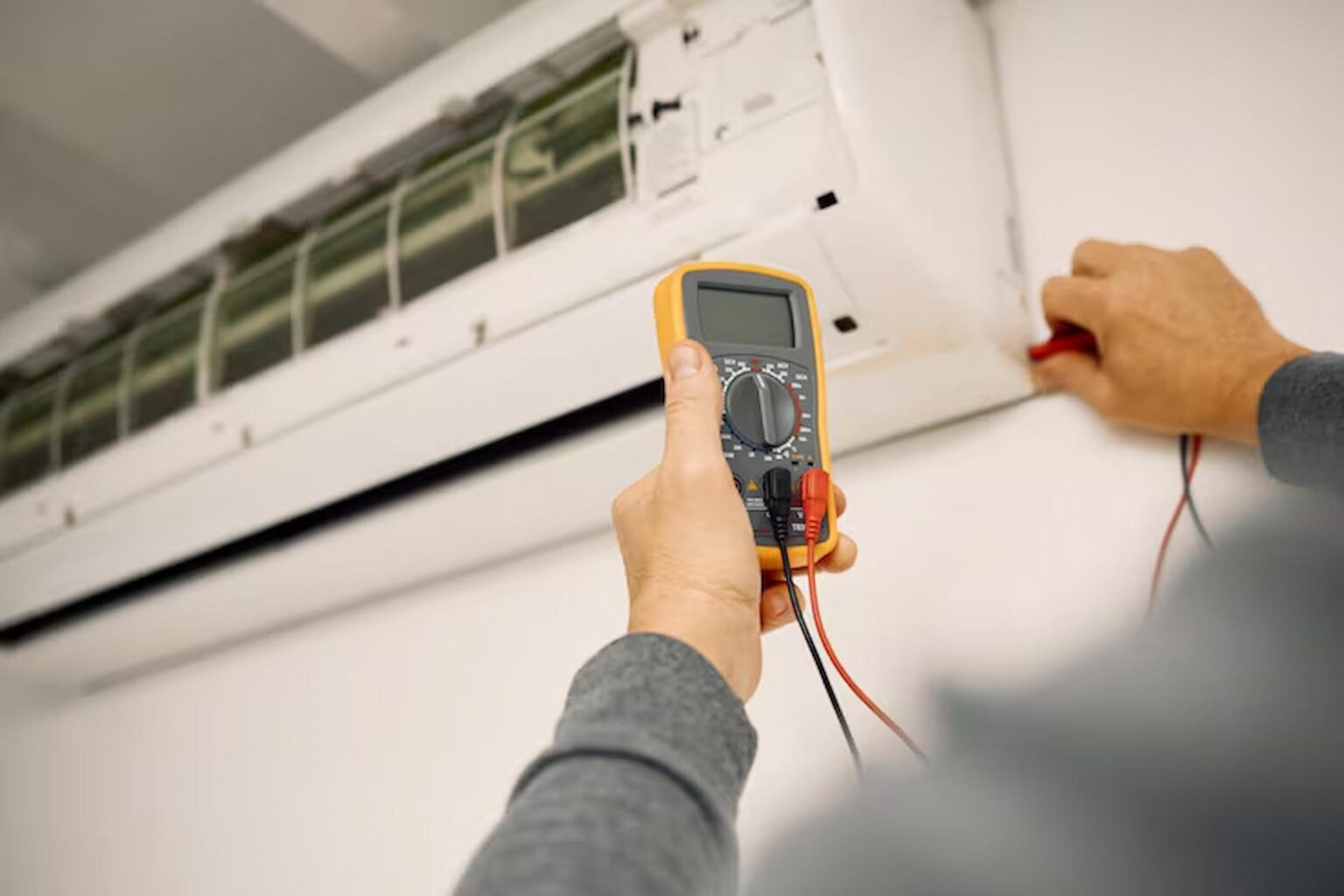
Technicians can detect airflow restrictions, electrical issues, refrigerant imbalances, and component wear before these problems escalate. Professional inspections also help ensure systems operate safely and comply with local building standards.
Commercial HVAC systems are often more complex than residential units, particularly in larger facilities with multiple zones or rooftop equipment. Working with experienced professionals helps ensure the system is maintained correctly and operates efficiently throughout the year.
Consistent inspections provide valuable long-term benefits, including reduced repair costs, lower utility bills, improved indoor comfort, and longer equipment lifespan.
Conclusion
Commercial HVAC systems have a direct impact on operational expenses, energy efficiency, and indoor comfort. Small maintenance mistakes, delayed repairs, poor airflow management, and inefficient thermostat practices can quietly increase utility bills over time while reducing system reliability.
Businesses that take a proactive approach to HVAC maintenance often experience lower operating costs and fewer unexpected disruptions. Routine inspections, timely repairs, energy-efficient upgrades, and proper system management all contribute to better long-term performance. By identifying inefficiencies early and prioritising preventative care, commercial property owners can protect both their equipment investment and their monthly energy budget.
Leave a Reply
You must be logged in to post a comment.